



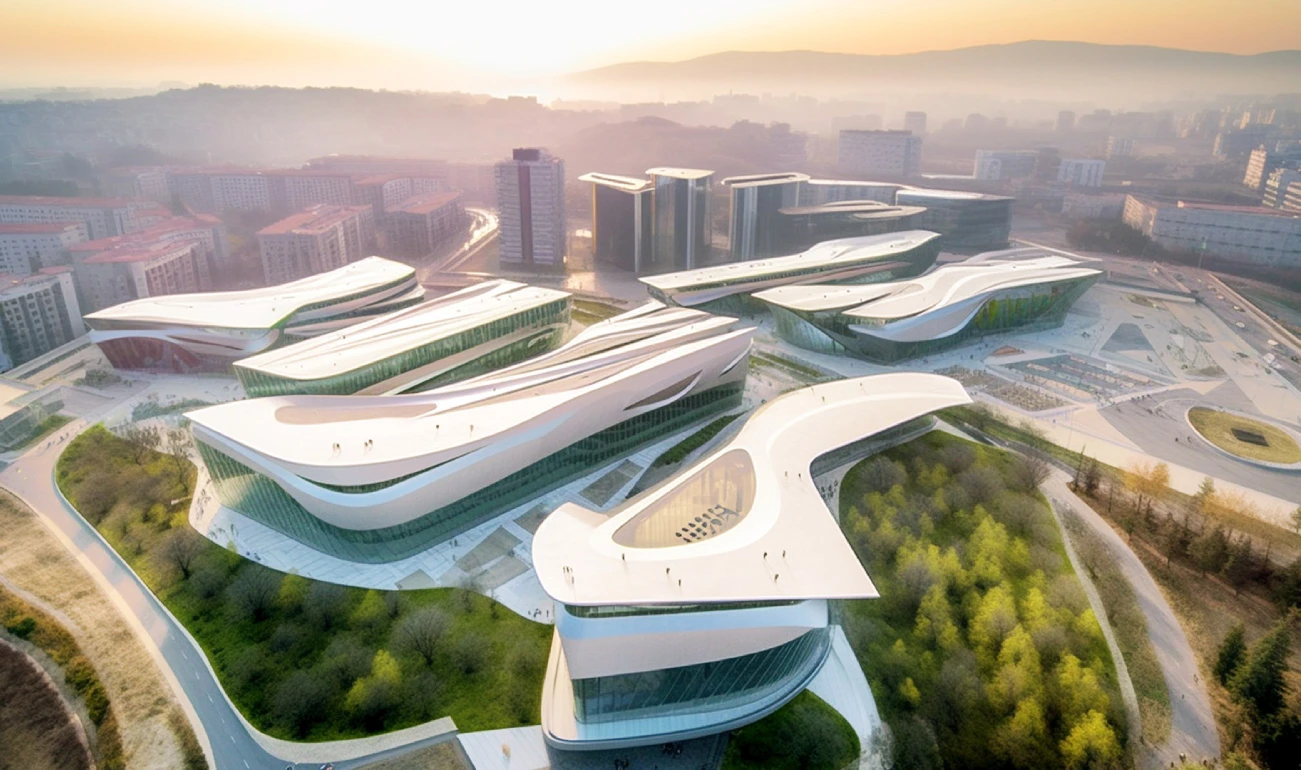
The Art and Science of Architecture: Shaping the Built Environment for the Future
Architecture is more than just the design of buildings—it is the art and science of shaping the spaces where we live, work, and play. At Magd Consultant, we believe that architecture is a powerful tool for creating environments that enhance the quality of life, reflect cultural values, and contribute to the sustainability of our planet. In this article, we explore how architecture is evolving in the modern world, how it drives innovation, and the key trends shaping the future of the built environment.
1. The Role of Architecture in Shaping Communities
Architecture plays a pivotal role in defining the identity and functionality of communities. The spaces we inhabit influence how we interact with one another, how we feel, and even how productive we are. Great architecture fosters connection, promotes well-being, and supports diverse activities. Whether designing a residential neighborhood, a public park, or a commercial building, architects create environments that not only meet immediate needs but also contribute to the long-term vibrancy of communities. At Magd Consultant, we approach each project with a deep understanding of its social and cultural context, ensuring that our designs reflect the values and aspirations of the people who will use them.
2. Sustainability in Architecture: Designing for a Greener Future
Sustainability has become a fundamental principle in modern architecture. With growing concerns about climate change and resource depletion, architects are increasingly focused on creating buildings that are energy-efficient, environmentally friendly, and resource-conscious. Sustainable architecture involves using renewable materials, optimizing energy consumption, and minimizing waste during construction and operation. Green building certifications such as LEED (Leadership in Energy and Environmental Design) are now common benchmarks for evaluating a building’s sustainability. At Magd Consultant, we incorporate sustainable design practices into all of our architectural projects, striving to reduce the environmental impact while creating comfortable, functional spaces for our clients.
3. Technological Innovation in Architectural Design
Technology has revolutionized the field of architecture, enabling architects to push the boundaries of design and construction. Building Information Modeling (BIM) has become a crucial tool, allowing architects, engineers, and contractors to collaborate more efficiently, share real-time data, and visualize complex designs in 3D. Additionally, new materials, construction techniques, and digital fabrication methods are expanding the possibilities of what can be achieved in building design. With the integration of smart technologies, such as sensors and automation systems, buildings are becoming more intelligent and responsive to the needs of their occupants. At Magd Consultant, we harness the latest architectural technologies to deliver innovative, efficient, and visually striking designs that exceed client expectations.
4. Human-Centered Design: Creating Spaces that Enhance Well-Being
One of the most important aspects of architecture is its impact on human experience. Great architecture is designed with people in mind, focusing on enhancing comfort, well-being, and functionality. Human-centered design considers factors such as lighting, acoustics, airflow, and layout to create spaces that promote health, productivity, and happiness. In today’s world, where mental health and work-life balance are top priorities, architecture must be mindful of how spaces affect the people who use them. At Magd Consultant, we believe in creating environments that are not only visually appealing but also conducive to physical and emotional well-being, fostering spaces where people can thrive.
5. Adaptive Reuse and Preserving Heritage
In a rapidly urbanizing world, architects are increasingly looking at how to breathe new life into existing buildings through adaptive reuse. Instead of demolishing old structures, adaptive reuse involves repurposing buildings for new functions while preserving their historical and architectural significance. This approach is not only sustainable but also preserves the cultural heritage of a city or region. Adaptive reuse projects can include converting industrial buildings into residential lofts, transforming warehouses into art galleries, or converting historic buildings into modern office spaces. At Magd Consultant, we are passionate about the opportunity to preserve architectural history while giving it new relevance for future generations.
6. Aesthetic Innovation: Merging Form and Function
Architecture is as much about beauty as it is about function. The aesthetic appeal of a building or space contributes to its overall success and impact. Well-designed architecture evokes emotion, tells a story, and enhances its surroundings. The blending of art and functionality is key to creating spaces that not only serve practical purposes but also inspire and engage the people who interact with them. Whether it’s a minimalist, modern design or a more classic, ornate style, the aesthetic choices architects make can elevate the environment. At Magd Consultant, we understand the importance of marrying aesthetics with function, ensuring that every design we create is both beautiful and practical.
7. The Future of Architecture: Smart Cities and Digital Integration
As cities become smarter, architecture is evolving to meet the demands of a digitally integrated world. The concept of “smart cities” is reshaping urban design, where buildings, transportation systems, and infrastructure are interconnected through technology to improve efficiency and quality of life. In these cities, architecture plays a crucial role in integrating smart systems such as renewable energy sources, efficient waste management, and data-driven urban planning. Smart buildings, which are equipped with sensors and automated systems, help optimize energy use, increase comfort, and reduce environmental impact. At Magd Consultant, we are excited about the potential of smart architecture and are actively exploring how digital technology can transform the way we design, build, and inhabit spaces.
8. Collaborative Design: Working with Clients and Communities
Collaboration is essential in architecture. Architects must work closely with clients, engineers, urban planners, and other stakeholders to create designs that are practical, feasible, and aligned with the needs of the community. Engaging with the community during the design process helps ensure that the final result is not only functional but also reflects the values, culture, and aspirations of the people it serves. At Magd Consultant, we prioritize a collaborative approach to every project, ensuring that we listen to our clients, understand their goals, and work together to bring those visions to life.
Conclusion
Architecture is the cornerstone of the built environment, shaping our cities, communities, and lives in profound ways. At Magd Consultant, we are committed to creating innovative, sustainable, and human-centered designs that address the challenges of today while anticipating the needs of tomorrow. Whether designing new buildings or preserving historic landmarks, we believe in the power of architecture to create spaces that are not only functional but also meaningful, inspiring, and timeless. By embracing technology, sustainability, and creative design, we are helping to build a future that is both beautiful and resilient.